
What Is a Facelift?
A facelift is a transformative surgical procedure designed to reverse the visible signs of aging¹ in the face and neck. As we age, skin elasticity decreases and deeper tissues shift downward. A facelift addresses these changes by tightening underlying muscles, redistributing fat, and removing excess skin. In Dr. Rizk’s facelifts, the goal isn’t to “pull” the skin tight, but to restore the youthful contours of your face for a revitalized appearance.
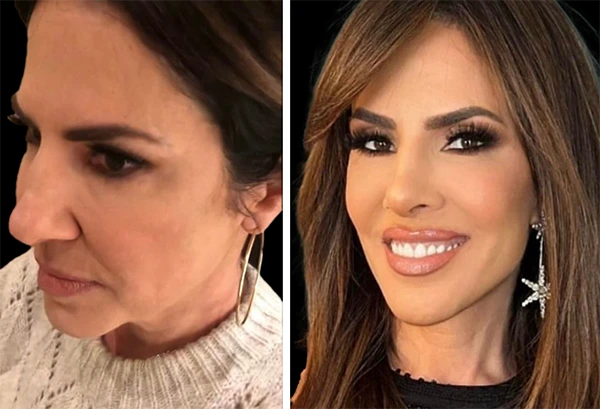
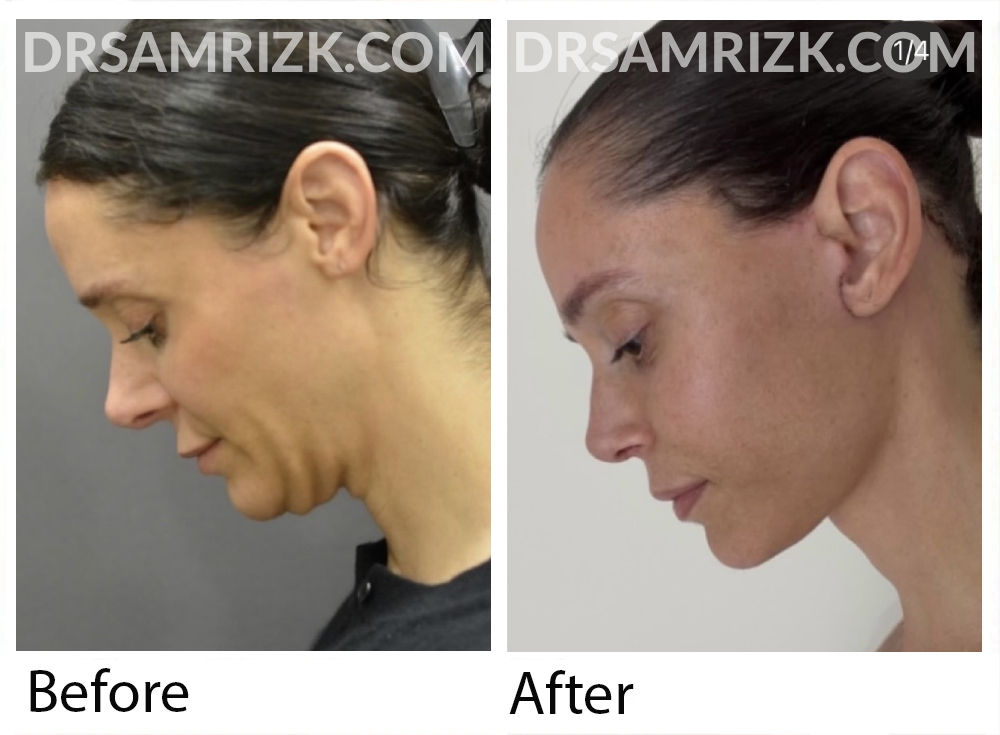
Before & After
-
Before After -
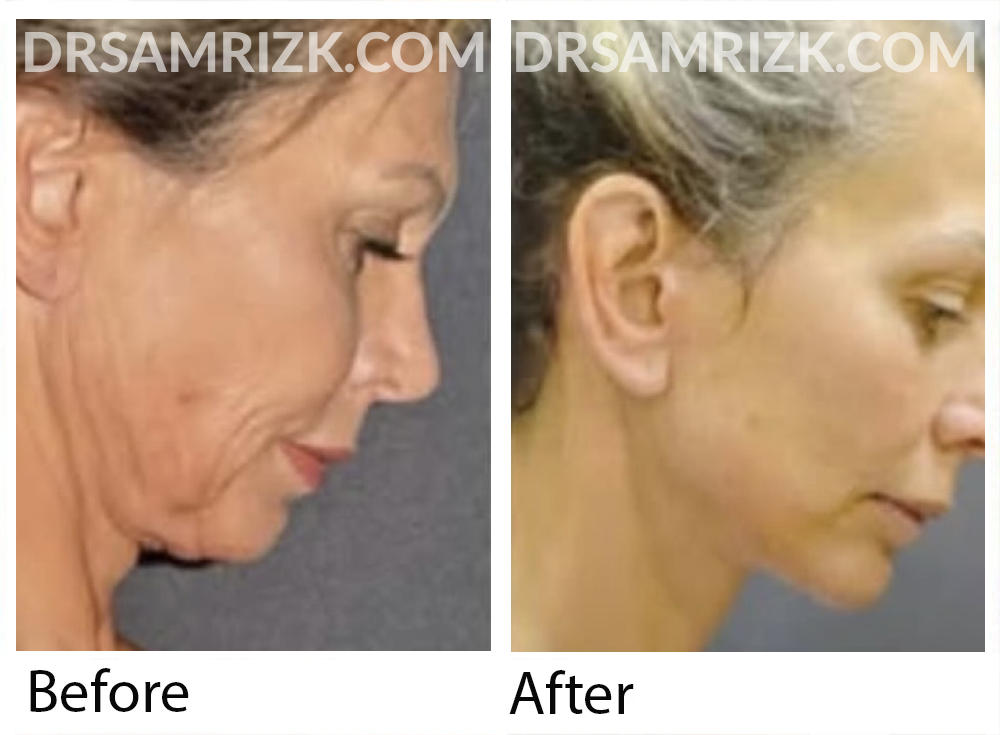
Before After -

Before After
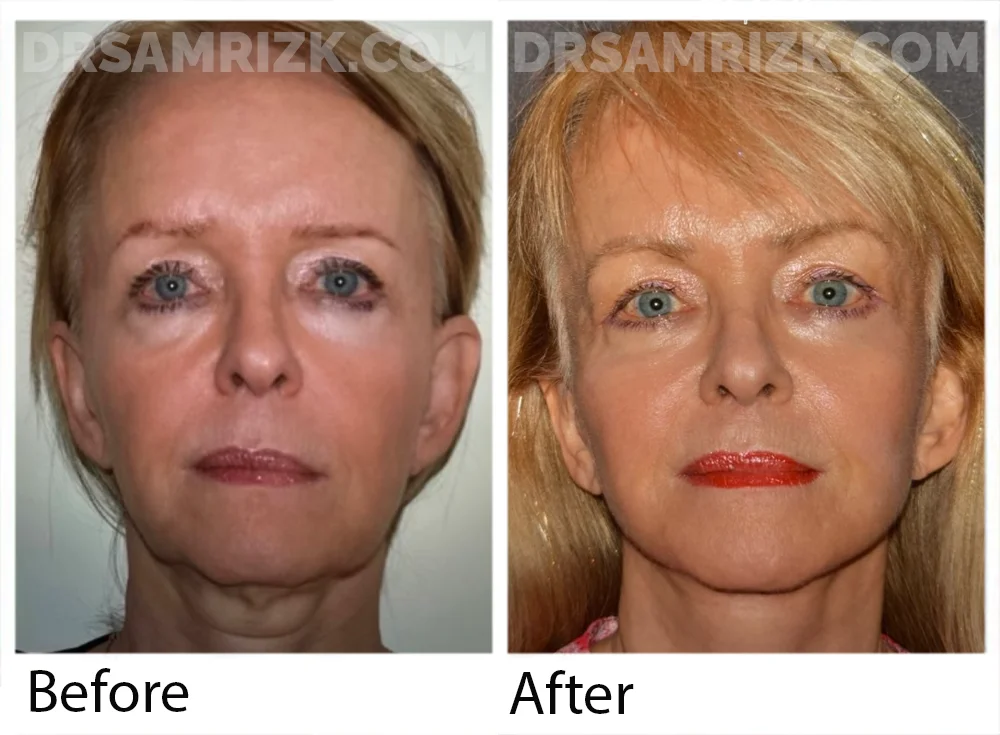
Results may vary*
See More ResultsYour Guide to Facelifts
Dr. Sam Rizk performs the facelift in New York with an approach focused on restoring a refreshed appearance while honoring the face’s natural structure. This overview addresses common questions about the procedure, helping you learn what the process involves, who might be a good candidate, and how results typically develop over time.
What Are The Different Types of Facelift Procedures?
Facelifts can be categorized by the type of incisions, the depth of facelift, and other characteristics as can be seen in facelift vs. mini facelift vs deep plane facelift.
Why Choose Dr. Rizk?
With double-board certification and a global reputation as a celebrity surgeon, Dr. Rizk offers decades of expertise in providing life-changing results.
Who is a Candidate for a Facelift?
Men and women with visible skin laxity, sagging jowls, or midface aging are often the best candidates for our different types of facelifts.
What to Expect During Surgery?
This outpatient procedure is performed under general anesthesia, focusing on internal structural adjustments with no visible scarring.
What Is Recovery Like?
Most patients experience a rapid healing process, typically requiring only about two weeks of social downtime before returning to their routine.
What Are the Risks?
While rare under Dr. Rizk’s care, potential risks include temporary bruising, swelling, or localized numbness during the initial healing phase.
When Will I See Results?
You will notice a visible improvement shortly after surgery, with the final, polished results fully settling over the following months.
How Do I Schedule?
Reach out to our Manhattan office today to arrange your personalized in-person or virtual consultation with Dr. Rizk.
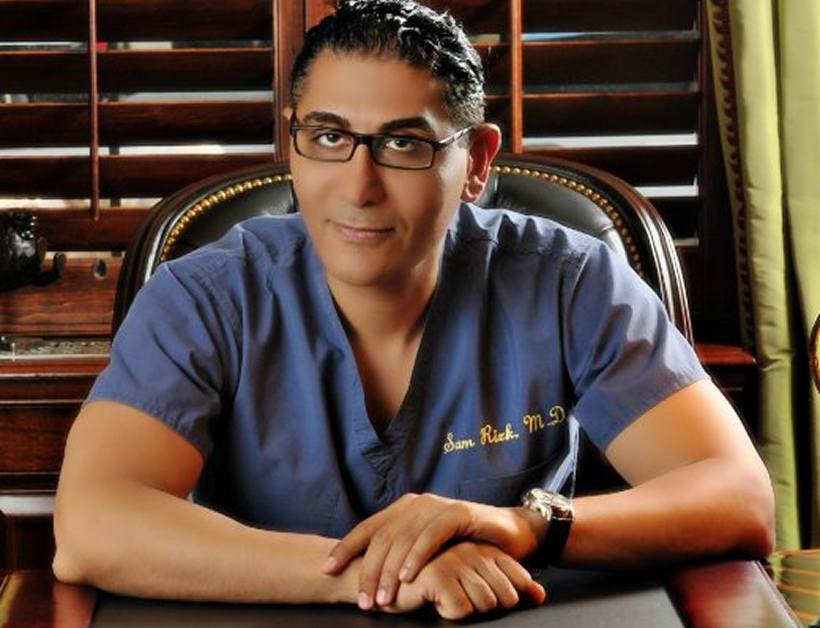
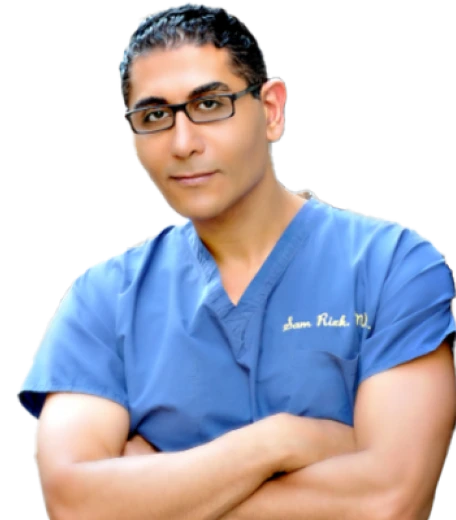
Meet Your Surgeon: Dr. Sam Rizk
Dr. Rizk is a double board-certified facial plastic surgeon in Manhattan, renowned for his mastery of the NYC natural facelift. By focusing exclusively on facial aesthetics, he provides unparalleled expertise in complex structural rejuvenation. Combining ARTISS tissue glue with 3D high-definition technology, he delivers sophisticated, age-defying results to every patient.
Invited to do a live demonstration of the deep plane facelift at the Baker Gordon Symposium
Known for natural and long-lasting facelift outcomes
His advanced training at Sloan Kettering provides him with elite anatomical and surgical expertise.
Skilled in preserving your ethnic features
Featured on national media and professional surgical publications
Park Avenue boutique practice dedicated to aesthetic excellence
Repeatedly recognized as one of New York’s best plastic surgeons by both Castle Connolly and New York Magazine
Committed to giving back as a volunteer surgeon for the Little Baby Face Foundation
Certified by the American Board of Facial Plastic and Reconstructive Surgery and the American Board of Otolaryngology–Head and Neck Surgery,
Your Journey to Rejuvenation
A facelift in NYC with Dr. Rizk is a structural operation, not just a skin-tightening procedure. Each phase is designed to restore the natural position of facial support layers, preserving your anatomy while achieving balanced, long-lasting rejuvenation. Your journey will generally follow these steps:
Step 1 - Consultation

Every facelift procedure starts with an in-depth conversation where Dr. Rizk assesses your goals, reviews your medical history, and helps you explore different types of facelifts.
Step 2 - Designing Your Look
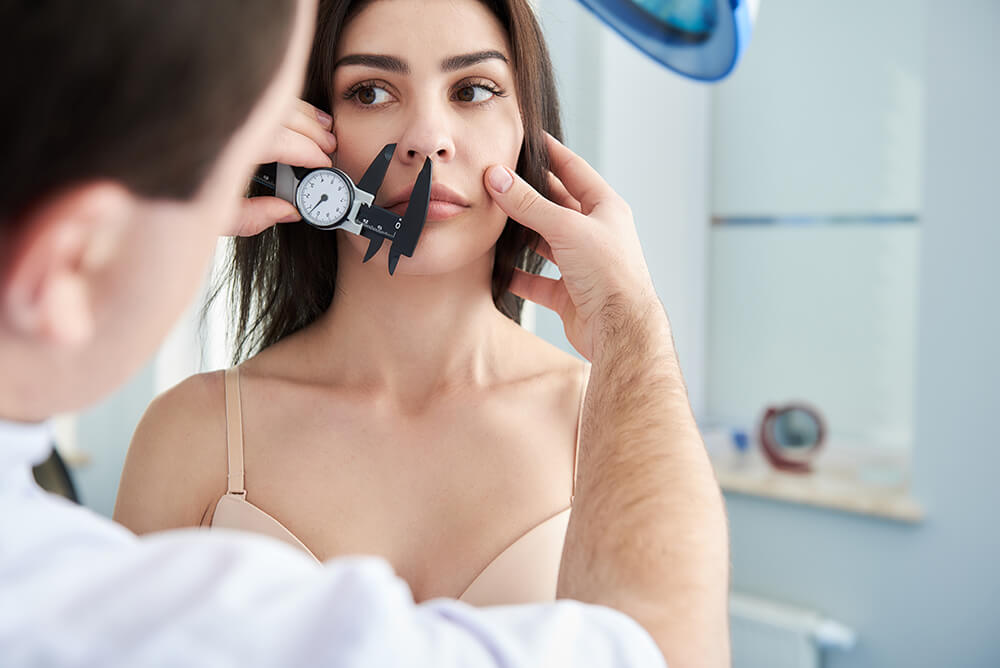
Using 3D high-definition technology and digital imaging, Dr. Rizk maps your facial measurements² to create a surgical plan that ensures a bespoke, balanced outcome.
Step 3 - Preparing for Surgery

To ensure a safe procedure, patients are guided to adjust medications, stop smoking (as nicotine interferes with healing), and avoid anti-inflammatory drugs that increase bleeding.

The Procedure: Surgical Precision and Artistry
By working beneath the surface layers, Dr. Rizk restores youthful volume and contour without the “pulled” look associated with older techniques.
Structural Release of Facial Tissues
The procedure begins with incisions meticulously placed within the natural creases around the ear to ensure they remain discreet. Through these entry points, Dr. Rizk accesses the SMAS, the layer of connective tissue and muscle responsible for facial support.
By tightening and repositioning this underlying layer, he provides a stable foundation for your natural facelift. Unlike older methods that relied solely on the skin, this technique restores the facial structure first, allowing the skin to be draped smoothly and naturally without excessive tension.
Anatomical Elevation and Repositioning
Once the SMAS layer is accessed, the lower facial tissues are elevated and secured. Dr. Rizk uses a specific vertical vector to counteract gravity, focusing on the jawline and neck. By tightening these foundational layers rather than just the surface skin, this method:
- Defines and sharpens a sagging jawline
- Provides a smoother, more elegant neck contour
- Reduces the appearance of jowls
- Softens marionette lines around the mouth
- Preserves the ability to make natural, fluid facial expressions
Stabilization and Advanced Tissue Adhesion
To ensure the new contours remain stable during the healing process, Dr. Rizk utilizes a sophisticated stabilization method. Moving away from traditional, high-tension deep sutures, he incorporates ARTISS, a specialized fibrin tissue adhesive.
This surgical glue allows the repositioned tissues to adhere naturally and uniformly, offering several distinct benefits for your facelift NYC experience:
- Uniform Support: Provides an even distribution of tissue adherence across the surgical area.
- Reduced “Dead Space”: Minimizes the gaps beneath the skin where fluid can collect.
- Lower Complication Risk: Reduces the likelihood of hematomas or seromas.
- Minimized Tension: Decreases the pull on incision lines, leading to finer, flatter scars.
- Accelerated Healing: Often results in less bruising and a faster return to social activities.
The procedure concludes with careful skin closure, ensuring that as you heal, the results become an integrated, seamless part of your natural beauty.
Facelift Recovery: Returning to Your Life
The First 24 Hours
You will return home the same day with light dressings in place. It is normal to feel facial tightness and mild swelling.
- Keep your head elevated at all times, including during sleep.
- Follow your prescribed medication schedule strictly.
- Rest quietly and avoid any bending, lifting, or physical straining.
2–3 Days Post-Surgery
Swelling typically peaks during this window, and bruising may become more noticeable before it starts to fade.
- Continue strict head elevation to manage fluid retention.
- Use cold compresses as directed by Dr. Rizk’s team.
- Short, assisted walks around your home are encouraged to promote healthy circulation.
1–2 Weeks
This is the primary “social downtime” for most different types of facelifts. By the end of week two, bruising has usually vanished significantly.
- Most patients feel comfortable appearing in public with light camouflage or makeup.
- You may resume light daily activities and non-strenuous work.
3–4 Weeks
As residual swelling subsides, your refined jawline and neck contours become much more visible.
- You will look noticeably refreshed and “camera-ready.”
- Light exercise can typically be resumed once cleared by Dr. Rizk.
- Jawline definition sharpens
1 Month
At this stage, you will appear naturally rejuvenated. Any subtle internal firmness continues to soften as the tissues integrate.
- Most restrictions on physical activity are lifted.
- Incisions continue to fade and mature into nearly invisible lines.
- Facial movement feels more normal
6 Months and Beyond
The final results of your facelift for men or women are now fully apparent.
- Tissues are soft, and facial movements feel entirely natural.
- Your rejuvenated appearance is long-lasting, stable, and beautifully integrated.
- No visible scar lines due to Dr. Rizk’s use of tissue glue

What Aesthetic Concerns Can a Facelift NYC Treat?
A standard facelift procedure is designed to correct visible signs of aging by addressing skin laxity and repositioning the underlying connective tissues. By focusing on the lower two-thirds of the face and the upper neck, this treatment restores a youthful, rested appearance and provides a long-lasting NYC natural facelift result.
Common concerns a facelift can address:
What Are the Different Types of Facelifts?
Dr. Rizk offers several different types of facelifts to ensure every patient receives a bespoke result. Whether you need a subtle refresh or a total transformation, our techniques are adapted to your anatomy.
Full Facelift
A full facelift addresses advanced aging across the entire face, including the brow, eyes, jawline, and neck. While this procedure involves more extensive work, Dr. Rizk’s precision minimizes downtime. Most patients return to their routine within one to two weeks with a refreshed, complete rejuvenation.
Mini Facelift
Ideal for patients in their 40s or 50s, the mini facelift is a less invasive option targeting the mid-face. It effectively lifts sagging cheeks and nasal folds through smaller incisions. While the results are less dramatic than a full lift, it offers a quick, natural facelift result.
Deep Plane Facelift
Dr. Rizk’s signature deep plane technique accesses underlying muscles to reposition facial structures as a composite unit. This provides more significant, longer-lasting results compared to traditional methods. Strategic incision placement ensures that even with deep-layer work, scarring remains discreet and recovery is optimized for a fast return.
Post-Bariatric Facelift
Significant weight loss often leaves excess, “droopy” skin and mid-face volume loss. This specialized procedure tightens the neck and cheeks while elevating deeper tissues. Dr. Rizk’s expertise ensures these patients regain a firm, healthy facial contour that matches their new body, restoring confidence after their weight loss journey.
Secondary Facelift
A secondary lift is typically performed a decade or more after an initial procedure. As natural aging continues, this “refresh” addresses new skin laxity and muscle sagging. It’s a great way to maintain your youthful appearance and ensure your previous investment continues to look its absolute best.
Preservation Facelift
This modern approach protects deeper facial layers to provide a refreshed look with minimal swelling. By focusing on essential muscles and tissues, Dr. Rizk achieves refined results with less downtime. It’s an excellent choice for those seeking a balanced, subtle rejuvenation and a significantly quicker recovery process.
Short Scar Facelift
Also known as a J-lift, this minimally invasive technique uses limited incisions to refine the lower face and jowls. It’s perfect for moderate aging concerns, offering a firmer jawline without the extensive recovery of traditional surgery. This is a popular facelift for men seeking subtle yet effective improvement.
Cutaneous Lift
A cutaneous lift focuses strictly on the skin without altering underlying muscle or fat. This “skin-only” approach is ideal for patients with good muscle tone who only require slight tightening. It effectively smooths the cheeks and jowls, revealing a more defined jawline with very little internal trauma.
Mid-Face Lift
This targeted procedure addresses hollow cheeks and deep smile lines in the center of the face. Using endoscopic technology, Dr. Rizk elevates the cheek fat pads through small, hidden incisions. The result is a brighter, more “awake” look that restores youthful volume exactly where it’s needed most.
Revision Facelift
Revision surgery corrects unsatisfactory results or complications from a previous procedure elsewhere. Because of existing scar tissue³, these cases require Dr. Rizk’s specialized expertise and 3D modeling technology. He meticulously refines your features to achieve the harmonious, natural appearance you expected from your original surgery.

Risks
While rare under Dr. Rizk’s expert care, potential risks⁴ include infection, scarring, or anesthesia reactions. Some patients experience temporary bruising, swelling, or localized numbness during the healing phase. Choosing a double board-certified specialist significantly minimizes these concerns, ensuring your facelift prioritizes both safety and aesthetic excellence.
Awards & Certifications

2.jpg)
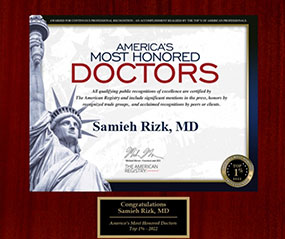

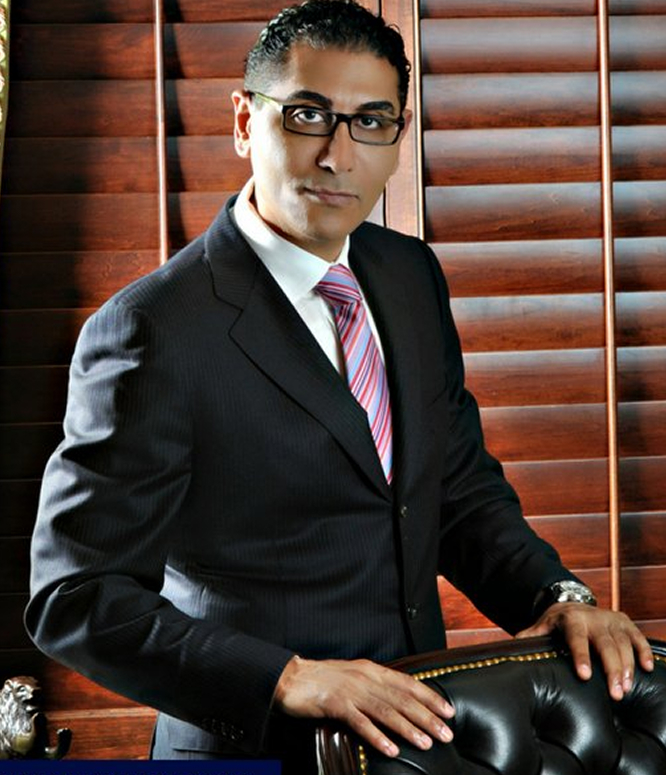
Why Choose Dr. Rizk for Facelift in NYC
Patients worldwide choose Dr. Rizk for his facelift expertise and structural approach. His specialized practice delivers sophisticated, long-lasting outcomes through refined SMAS rejuvenation techniques.
Expert Facial Plastic Surgeon
Dr. Rizk focuses exclusively on facial surgery. His double-board certification ensures a deep mastery of anatomy, allowing him to perform different types of facelifts that prioritize natural expressions and anatomical harmony.
Global Surgical Authority
As a surgical leader, Dr. Rizk shares his innovations through international lectures. Other experts observe his precise methods for stabilizing facial layers, cementing his reputation for the NYC natural facelift.
Authentic, Age-Defying Results
Dr. Rizk restores facial support by tightening the underlying SMAS layer rather than creating artificial tightness. This achieves a refined look that avoids an “over-operated” appearance, allowing results to age gracefully.
Dr Rizk In The Media
-
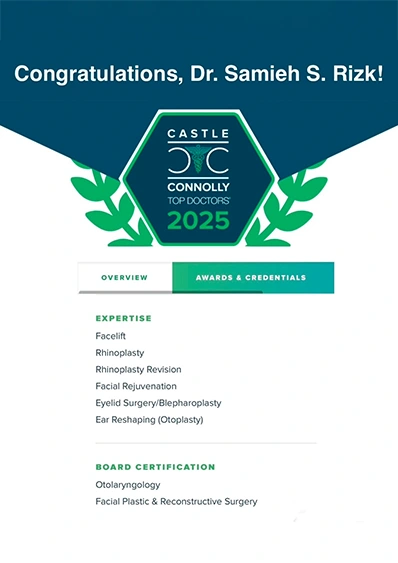
Dr. Rizk was voted by his peers as a Top Doctor in 2025 – For the 21th consecutive year!
-
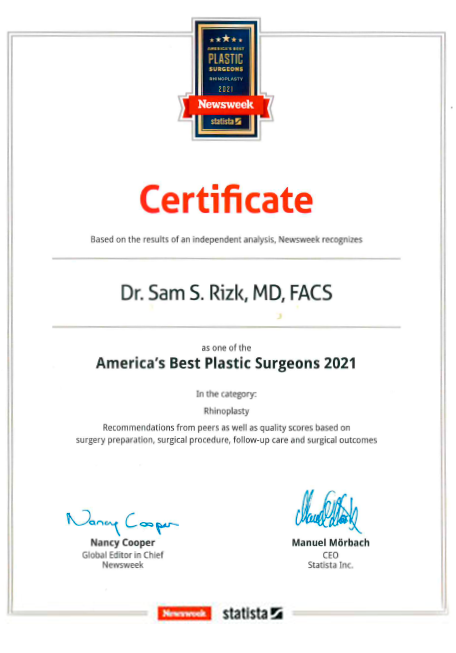
Certificate Rhinoplasty- Dr. Samieh Rizk 2021
-
Connolly Best Doctor
-
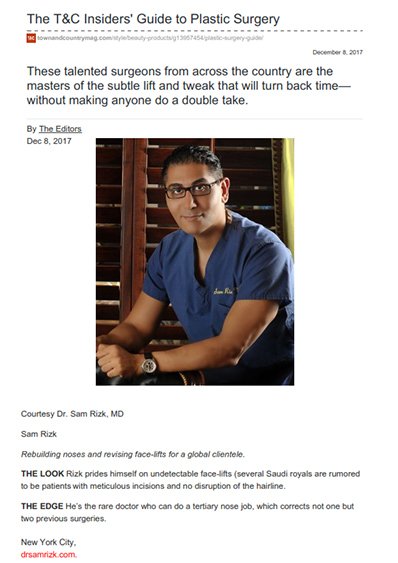
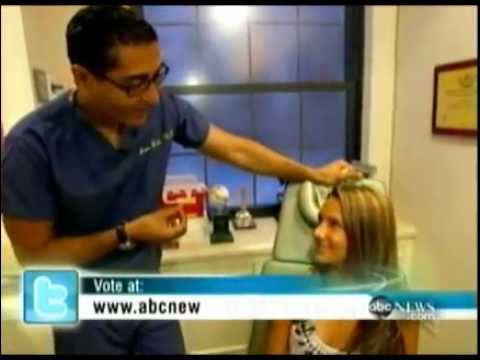
Dr. Rizk featured in Town & Country Magazine as one of the masters of the subtle lift and tweak that will turn back time
-
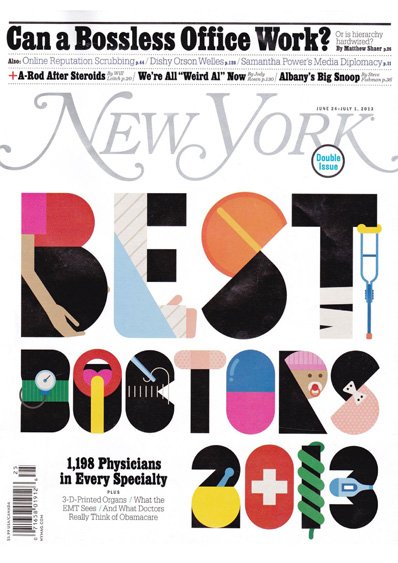
Voted by peers to New York Magazine’s 2013 Top Doctors
-
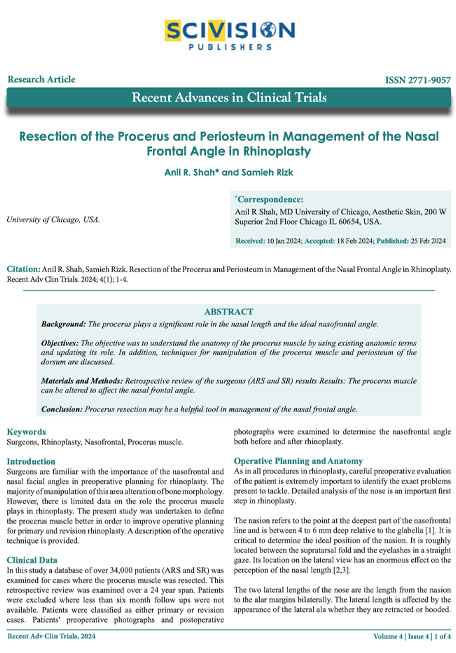
Resection of the Procerus and Periosteum in Management of the Nasal Frontal Angle in Rhinoplasty

Complementary Procedures
A facelift in NYC can be expertly paired with additional procedures to achieve a comprehensive, balanced rejuvenation. By addressing multiple areas in a single session, Dr. Rizk creates a harmonious, natural look tailored to your unique anatomy. Popular combinations include:
Video
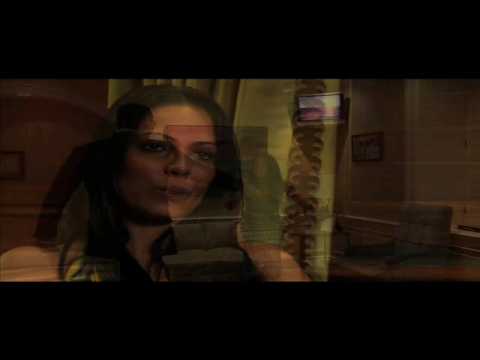
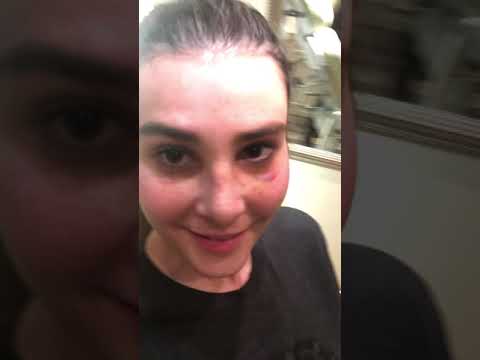
Testimonials
See More Testimonials
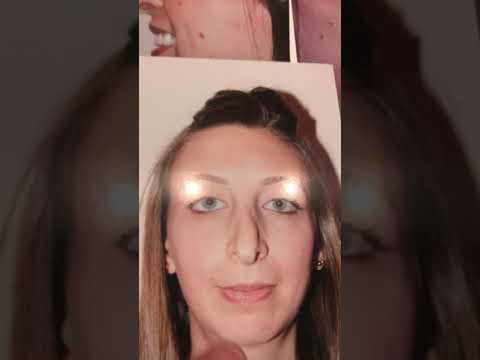
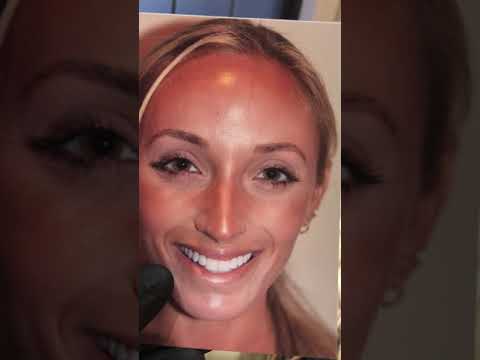
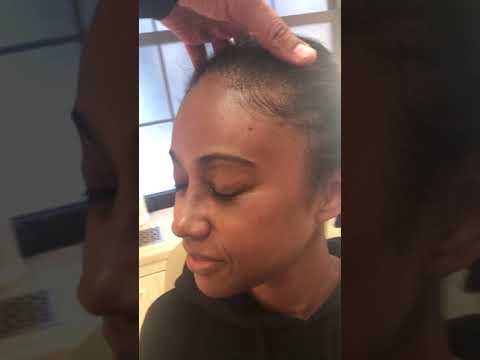
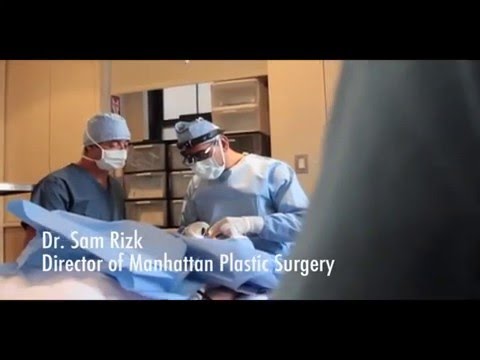
Results may vary*
FAQs
What is the ideal age for a facelift?
The ideal age for a facelift is when the signs of aging become more apparent, usually in the 40s, 50s, and 60s. At this stage, collagen and elastin decline, the SMAS layer begins to loosen, and facial fat descends, creating jowls and deeper folds. Skin still retains enough elasticity to reposition tissues effectively while achieving natural, longer-lasting results.
What a facelift is not
Although a facelift will do wonders for naturally improving the youthful appearance of your face, it is not a procedure aimed at improving skin quality and does not stop the aging process.
How painful is a facelift?
There is not much pain after the operation, and any discomfort will last for about 2 – 4 days. You might experience shooting pains around the numb incision areas as the feeling returns.
How long will a facelift last?
Facelifts last for about 10 years, as the natural process of aging cannot be stopped.
How much younger can a facelift make me look?
Studies show that, on average, a facelift can make someone look 12 years younger than their current age.
How Much Does a Facelift NYC Cost?
The cost of a facelift in NYC depends on surgical complexity, facility fees, and anesthesia. During a private consultation, Dr. Rizk provides a personalized estimate based on your personal anatomy and aesthetic goals. This ensures your investment is adapted specifically to the results you wish to achieve.
Is it possible to have a facelift if I have previously had facial fillers or Botox?
Yes, though Dr. Rizk recommends allowing temporary fillers to dissolve naturally or using hyaluronidase before your facelift to ensure the most accurate surgical mapping.
Can I wear glasses or sunglasses immediately after my surgery?
You should avoid resting heavy frames directly on your ears for the first week to protect the healing incision sites from unnecessary pressure.
Can I fly on an airplane shortly after my surgery?
Dr. Rizk generally advises waiting at least ten to fourteen days before flying to avoid complications from cabin pressure changes and to ensure you are past the initial healing phase.
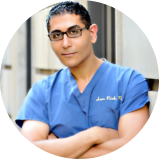
Dr. Sam S. Rizk, M.D., FACS.
Dr. Rizk is a double-board-certified facial plastic surgeon who specializes in rhinoplasty surgery and is a recognized expert on the latest advances in facial plastic surgery techniques. He performs a range of facial plastic surgeries at his New York practice.