

- What Is a Deep Plane Facelift
- Before & After
- Quick Guide
- Meet Dr. Sam Rizk
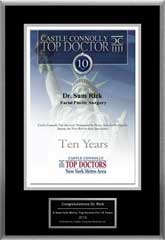
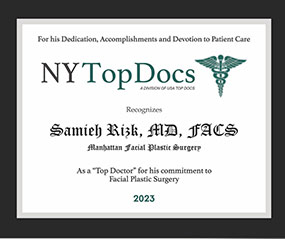
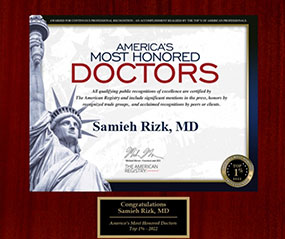
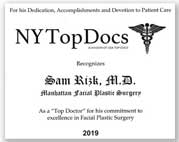
- Awards & Certification
- The Procedure
- Deep Plane Facelift Recovery
- Final Results
- Concerns Treated
- Deep Plane vs Vertical Facelift
- SMAS vs Deep Plane Facelift
- Risks
- Why Dr. Rizk for Deep Plane Facelift
- Combination Procedures
- Deep Plane Facelift Cost
- Video Testimonials
- FAQ’s
What Is a Deep Plane Facelift? What Makes It Different?
A Deep Plane Facelift goes beyond traditional facelift surgery by lifting and repositioning deeper facial tissues as a unit rather than pulling the skin alone. This structural approach addresses the underlying descent that occurs with aging; repositioning muscles, ligaments, and connective tissues to restore contour, definition, and balance. The deep plane facelift also keeps skin and muscle layers attached and does not disrupt the blood supply to skin, which keeps skin looking natural and not pulled. It is the most advanced facelift for a natural result. Dr. Rizk’s Deep Plane Facelift provides rejuvenation that looks natural, reduces visible tension, and harmonizes the face’s mid and lower thirds.
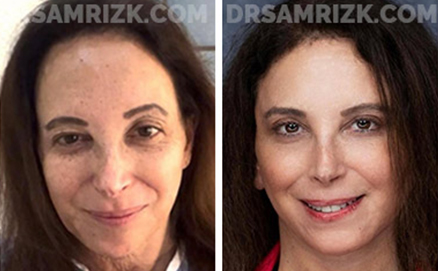
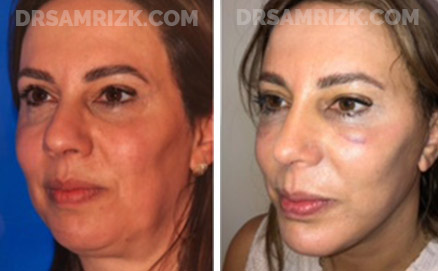
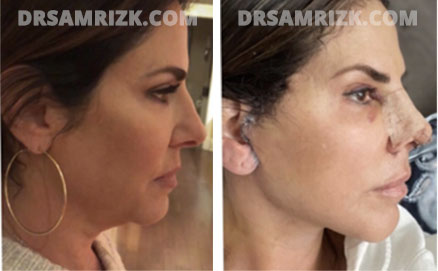
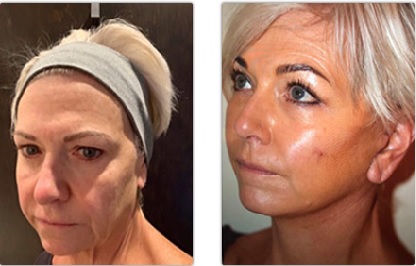
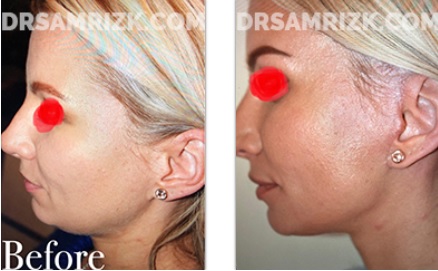
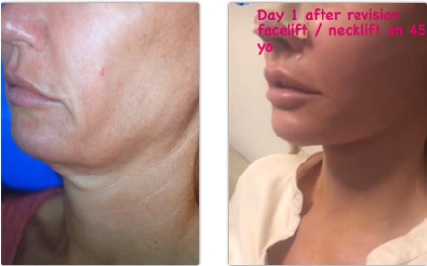
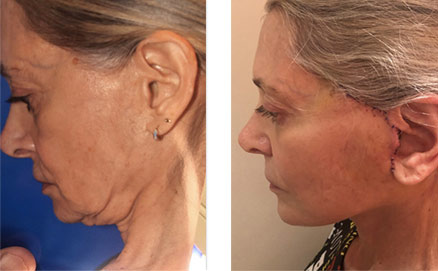
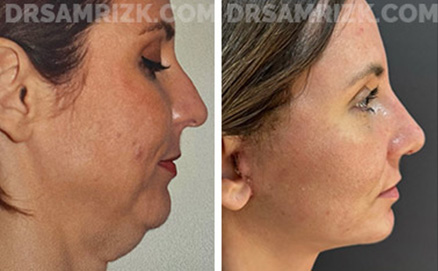
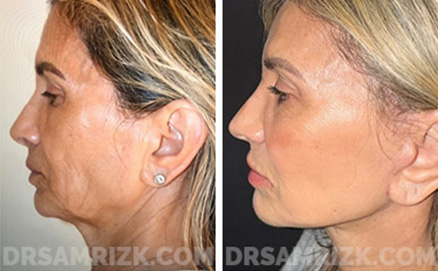
Deep Plane Facelift Before & After
-
Before After -
Before After -
Before After -
Before After -
Before After -
Before After -
Before After -
Before After -
Before After
Results may vary*
See More ResultsYour NYC Deep Plane Facelift Guide
Dr. Sam Rizk’s Deep Plane Facelift in New York is designed to rejuvenate the face in a way that respects natural anatomy. This guide answers key procedural questions so you understand what to expect, who may benefit, and how your outcome unfolds.
Why Choose Dr. Rizk?
Facial plastic surgeon to celebrities, globally recognized, double board-certified with decades of experience.
Who Is a Candidate?
Patients with signs of midface aging and jawline sagging.
What to Expect During Surgery?
Outpatient procedure under general anesthesia, with no visible incisions.
What Is Recovery Like?
About two weeks of social downtime.
What Are the Risks?
Swelling, bruising, and temporary numbness are possible.
When Will I See Results?
Early improvement, refinement over months.
How Do I Schedule?
Contact Dr. Rizk’s Manhattan office for an in-person or video consultation.
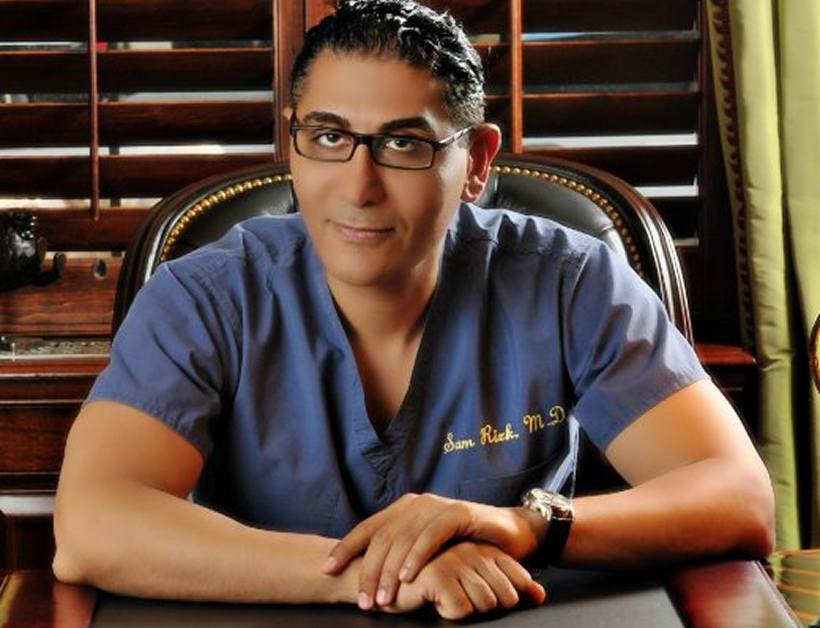
Who Is Dr. Sam Rizk?
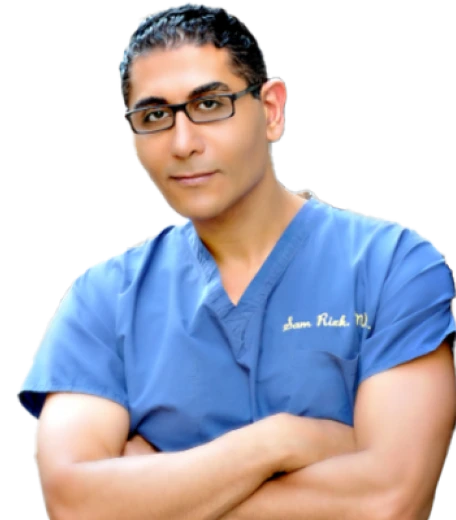
Dr. Sam Rizk is a double board-certified facial plastic surgeon specializing in the Deep Plane Facelift in Manhattan, New York. He is known as one of the best deep plane facelift surgeons in the world. Patients travel from out of town, including England, Italy, Austria, Kuwait, South Africa, Saudi Arabia, and Egypt, to experience his advanced facelift techniques and facial rejuvenation. His practice is focused solely on the face, allowing deep specialization in structural procedures for facial rejuvenation.
Invited to do a live demonstration of the deep plane facelift at the Baker Gordon Symposium
Known for natural and long-lasting facelift outcomes
Featured on media and professional surgical platforms
Manhattan practice dedicated to facial aesthetic excellence
Repeatedly recognized as one of New York’s best plastic surgeons by both Castle Connolly and New York Magazine
Certified by the American Board of Facial Plastic and Reconstructive Surgery and the American Board of Otolaryngology–Head and Neck Surgery
Awards & Certifications



2.jpg)




What Happens During the Deep Plane Facelift Procedure?
A Deep Plane Facelift is not a skin-tightening procedure. It is a structural operation that restores the natural position of facial support layers. Each phase of Dr. Rizk’s Deep Plane Facelift in New York is designed to preserve anatomy while creating balanced, long-lasting rejuvenation.

Consultation and Planning
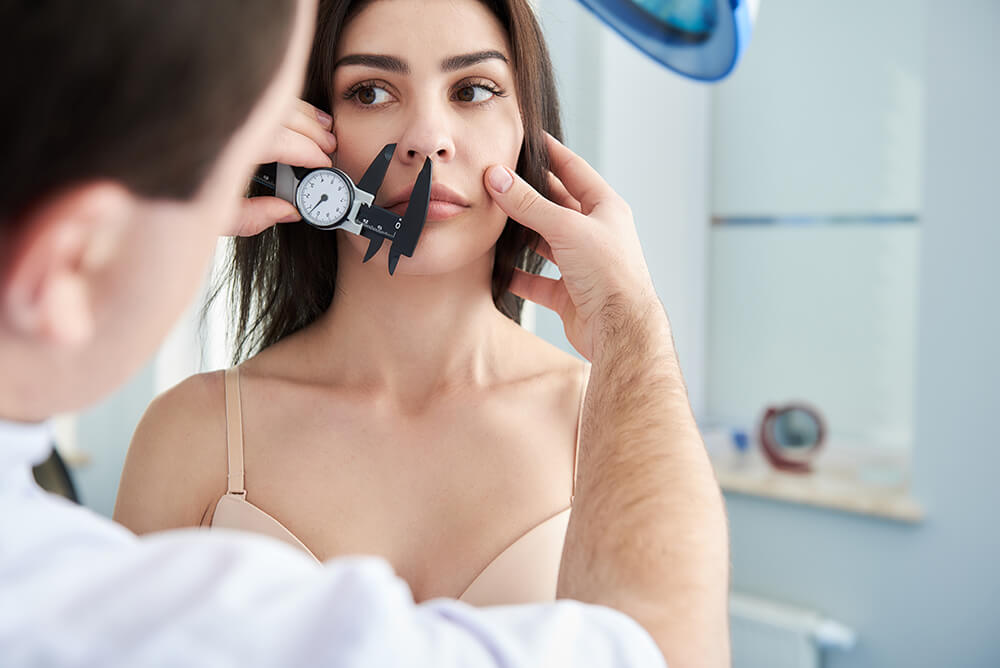
Every procedure begins with a detailed anatomical analysis. Dr. Rizk evaluates ligament strength, fat compartment position, skin elasticity, and vector descent patterns rather than simply assessing wrinkles. This evaluation determines whether a standard Deep Plane Facelift vs Vertical Facelift or Extended Lift is best for you.
- Standard Deep Plane addresses midface and lower face descent.
- Extended Deep Plane expands the dissection to improve jawline and upper neck definition more comprehensively.
- Vertical Deep Plane emphasizes upward vector elevation to restore youthful cheek projection and midface contour.
The surgical plan is individualized based on facial structure, aging pattern¹, and long-term goals.
Deep Plane Tissue Release
Incisions are carefully placed within natural creases around the ear to remain discreet. Through these access points, Dr. Rizk releases key retaining ligaments that anchor descended facial tissues.
Unlike superficial facelift techniques, the skin is not separated independently from the deeper layer. Instead, the deeper muscular and connective tissue system is mobilized as a composite unit. This precise ligament release allows repositioning without tension on the skin, which is critical for natural movement and avoiding a pulled appearance.

Repositioning and Elevation
Once released, the midface and lower face are elevated together in a controlled vector matched to the patient’s anatomy. Rather than tightening surface skin, the deeper structural layer is repositioned to restore youthful proportions. This approach:
- Re-establishes cheek projection
- Softens deep nasolabial folds
- Refines the jawline
- Improves neck contour
- Preserves natural facial expression
Because the lift occurs at the structural level, the result appears harmonious and integrated rather than artificially tightened.
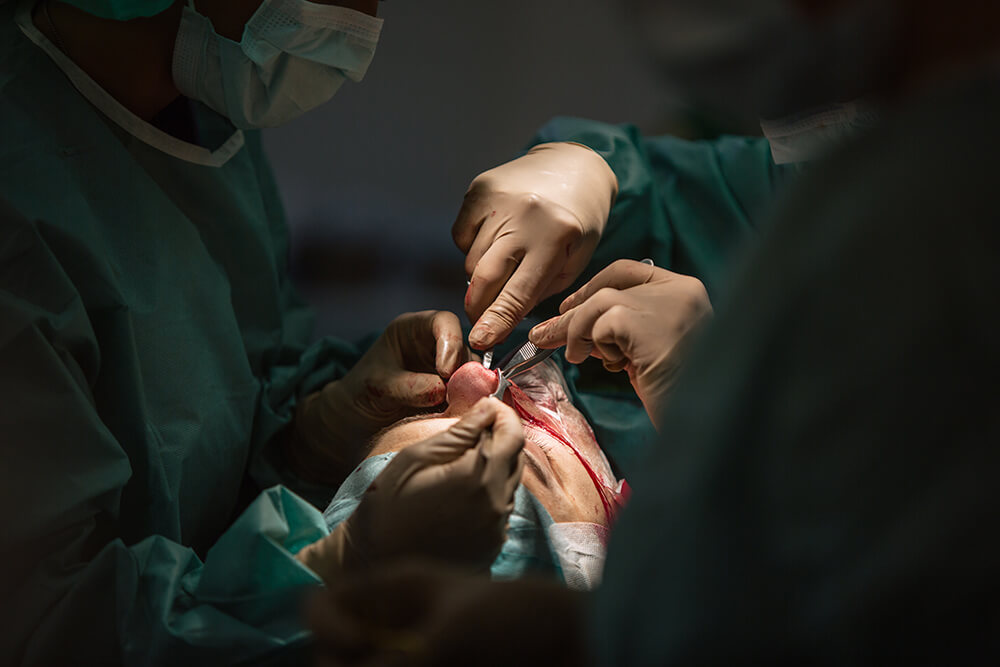
Closure and Structural Stabilization
After repositioning, internal stabilization is essential to maintain contour during healing. Dr. Rizk does not rely on traditional deep fixation sutures to hold tissues in place. Instead, he incorporates ARTISS, a specialized fibrin tissue adhesive designed for surgical tissue adherence.
ARTISS allows the repositioned deep plane tissues to adhere naturally without the tension created by anchoring sutures. This technique offers several important advantages:
- Even distribution of tissue support
- Reduced dead space beneath the skin
- Lower risk of fluid accumulation
- Decreased tension on incision lines
- Potential reduction in bruising and swelling
By avoiding deep anchoring sutures and utilizing ARTISS for internal stabilization, Dr. Rizk supports smooth redraping of the skin and more refined contour healing.
The incisions are then meticulously closed to minimize surface tension and promote discreet scar maturation. As swelling resolves over the following months, the structural repositioning becomes increasingly natural and integrated.
What Can I Expect During Deep Plane Facelift Recovery in New York?
First 24 Hours After Surgery
You will return home the same day with dressings in place. Mild to moderate swelling, tightness, and drainage from incision sites are normal. You will rest quietly and avoid bending, lifting, or straining.
- Keep your head elevated at all times, including during sleep
- Take prescribed medications as directed
- Limit movement to short, assisted walks
- Expect facial tightness and temporary numbness
- Maintain a soft, light diet and adequate hydration
2–3 Days Post-Surgery After Surgery
Swelling typically peaks during this period. Bruising may become more visible before it begins to fade. You may still feel facial firmness or asymmetry due to swelling.
- Continue strict head elevation
- Cold compresses may be recommended
- Drain removal may occur if placed
- Short walks are encouraged to promote circulation
1–2 Weeks After Surgery
This is the most socially noticeable recovery window. Most patients resume light daily activities by the end of week two, though strenuous activity remains restricted.
- Bruising begins to significantly fade
- Swelling improves but remains present
- Many patients feel comfortable appearing in public with light camouflage
3–4 Weeks After Surgery
At this stage, refinement becomes more visible. You will look refreshed, though subtle swelling may still persist.
- Residual swelling continues to decrease
- Jawline definition sharpens
- Makeup can typically be worn comfortably
- Light exercise may gradually resume if cleared by Dr. Rizk
1 Month After Surgery
You will appear naturally rejuvenated to others. Subtle firmness beneath the skin remains part of normal healing.
- Most visible bruising resolved
- Facial movement feels more normal
- Incisions continue to mature
3 Months After Surgery
This is when structural refinement becomes more apparent. While improvement continues beyond this point, most patients feel confident and fully restored socially.
- Tissues soften further
- Midface contours settle
- No visible scar lines due to Dr. Rizk’s use of tissue glue
- Results appear increasingly natural and integrated
Final Results: When Do Outcomes Become Permanent?
By six to twelve months, results are considered fully matured. Facial movement feels natural, and restored structure appears balanced rather than surgically altered. Because the deeper facial support system is repositioned rather than simply tightened, results are designed to age naturally with you, providing long-term rejuvenation rather than temporary correction.
Congrats on completing the rhinoplasty journey!


Confident smiling woman with naturally refreshed facial contours after deep plane facelift in New York City
A procedure corrects structural facial descent by repositioning deeper support layers rather than tightening skin alone. It restores midface volume position, sharpens the jawline, and improves neck definition for balanced, natural-looking rejuvenation.
Concerns Treated:
Dr Rizk In The Media
-
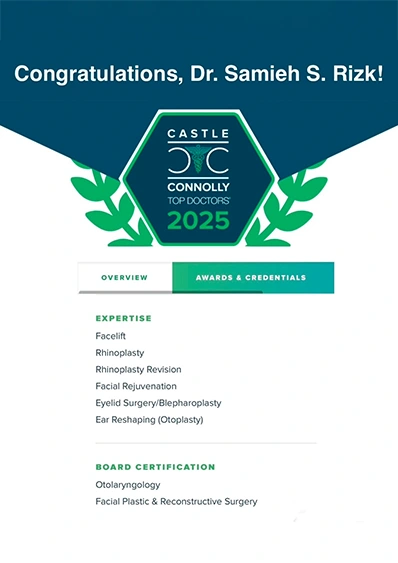
Dr. Rizk was voted by his peers as a Top Doctor in 2025 – For the 21th consecutive year!
-
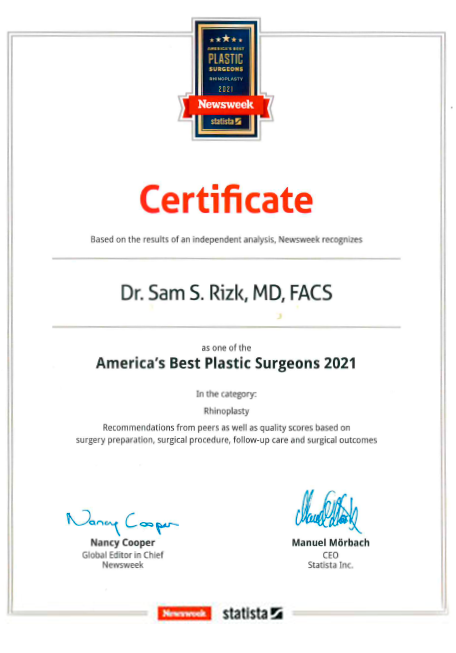
Certificate Rhinoplasty- Dr. Samieh Rizk 2021
-
Connolly Best Doctor
-
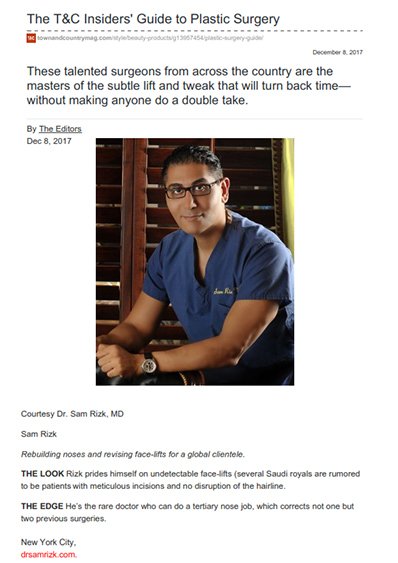
Dr. Rizk featured in Town & Country Magazine as one of the masters of the subtle lift and tweak that will turn back time
-

Voted by peers to New York Magazine’s 2013 Top Doctors
-
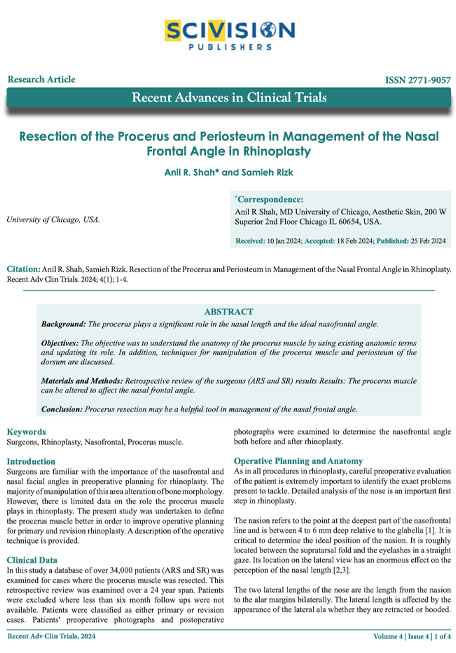
Resection of the Procerus and Periosteum in Management of the Nasal Frontal Angle in Rhinoplasty

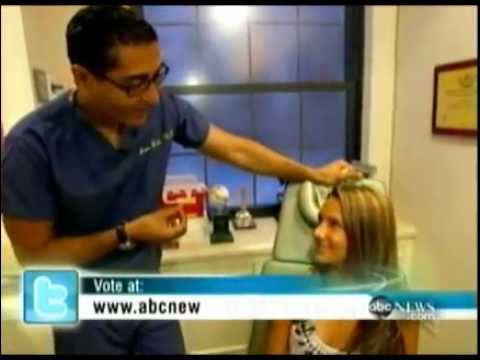



Deep Plane Facelift vs Vertical Facelift & Extended Lift
While the Deep Plane technique restores structural support, the direction and extent of tissue release must fit the patient’s anatomy and pattern of descent. Dr. Rizk customizes each lift to achieve balanced rejuvenation without overcorrection or unnatural tension.
Extended Deep Plane Facelift
An Extended Deep Plane Facelift involves broader dissection and release of deeper facial ligaments to address more pronounced sagging. Patients with significant midface descent or advanced jowling often benefit from this comprehensive approach. It allows greater structural mobilization for enhanced contour correction.
Vertical Deep Plane Facelift
The Vertical Deep Plane Facelift emphasizes lifting tissues along a vertical vector, more closely reflecting the downward pattern of aging. This technique supports improved midface projection, cheek definition, and under-eye contour while avoiding excessive lateral pull. It is particularly useful for patients with early midface descent who desire natural, refreshed results.

What Is the Difference Between the SMAS vs Deep Plane Facelift?
A SMAS Facelift tightens superficial muscle layers and fascia, whereas the Deep Plane Facelift releases deeper ligaments and repositions tissue as one unit. The latter typically results in smoother transitions, less tension on the skin, and a more natural contour compared with SMAS-only techniques. Both techniques have a role in facial rejuvenation. The SMAS approach can benefit patients seeking less extensive surgery, while the Deep Plane method is favored for individuals with more advanced structural aging or those seeking long-lasting, natural results with minimal tension on the skin.
Risks
Risks of swelling, bruising and infection are common for almost any surgical procedure. However, one of the key challenges during the deep plane facelift is avoiding damage to the facial nerves controlling muscle movement. Dr. Rizk takes great care to protect these nerves during surgery to avoid deep plane facelift complications like facial asymmetry or loss of movement.

Why Choose Deep Plane Facelift in NYC
Deep Plane Facelift Manhattan, New York, and international patients choose Dr. Rizk for his advanced expertise, focus on structural rejuvenation, and international surgical reputation. His specialized practice delivers natural outcomes with refined technique.
Experienced Facial Plastic Surgeon
Dr. Rizk specializes exclusively in facial plastic surgery with advanced training and certification reflecting rigorous expertise in facial anatomy and structural rejuvenation. His specialization allows him to deliver nuanced, anatomy-driven results that prioritize long-term harmony and natural expression.
Demonstrations Worldwide
Referred to by many as the best deep plane facelift surgeon, Dr. Rizk regularly shares his deep plane surgical techniques through lectures and live demonstrations at international forums where other surgeons observe his advanced methods.
Natural, Balanced Results
Structural deep plane rejuvenation performed by Dr. Rizk aims to restore facial proportions and support rather than create artificial tightness. By addressing the deeper layers of facial descent, results appear refined and authentic, avoiding the pulled or overoperated appearance associated with surface-only techniques.
Can You Combine Your Deep Plane Facelift?
A Deep Plane Facelift in New York can be complemented with additional aesthetic procedures to address related signs of aging and achieve comprehensive facial rejuvenation. Combining treatments allows for enhanced balance between the eyes, midface, jawline, and neck. Treatment plans are individualized so enhancements remain natural and tailored to the patient’s anatomy. Procedures that may be combined with Dr. Rizk’s Deep Plane Facelift in New York include:
Blepharoplasty (Eyelid Surgery)
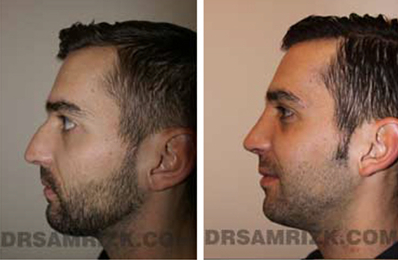
By combining procedures strategically, Dr. Rizk delivers integrated outcomes that address multiple dimensions of facial aging in a single surgical plan. This approach reduces the need for staged interventions and supports unified, natural results.
How Much Does a Deep Plane Facelift Cost in NYC?
Deep Plane Facelift costs vary depending on surgical complexity, facility fees, anesthesia, and whether additional procedures are combined. A personalized consultation with Dr. Rizk provides a cost estimate based on patient anatomy, treatment goals, and whether any other procedures are combined.
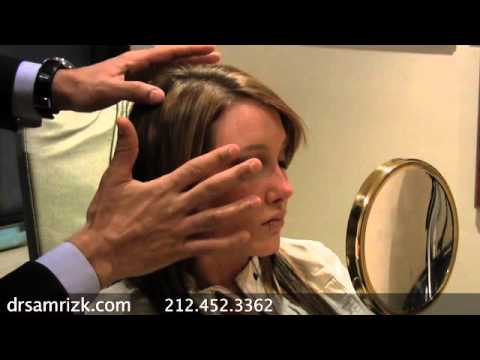
Video
Testimonials
See More Testimonials


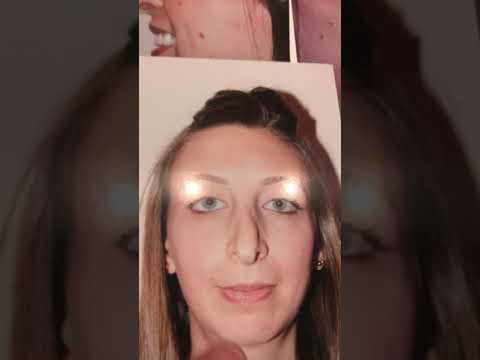
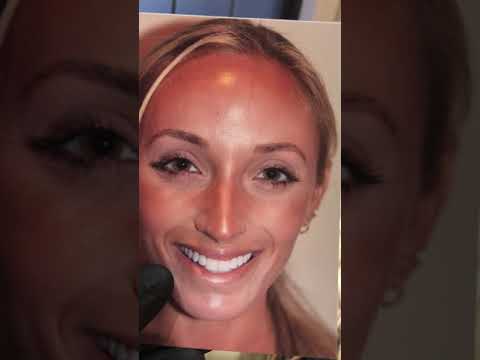
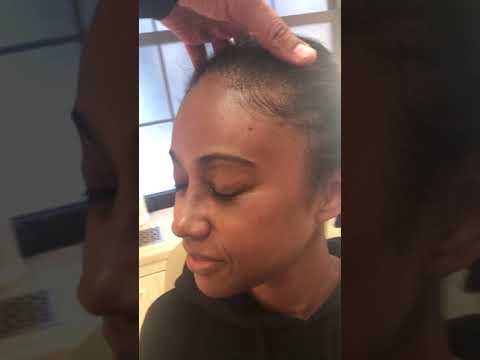
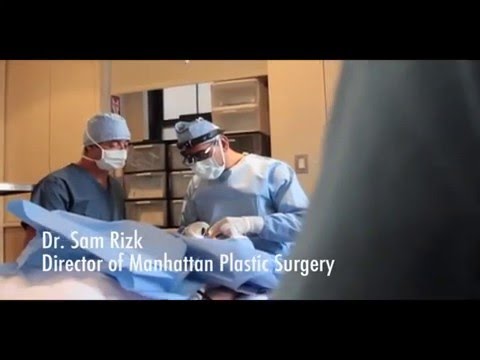


Results may vary*
FAQ
How does facial aging affect structure?
Aging² weakens ligament support and causes descent of the midface and jawline. Volume shifts downward, creating jowls and deep folds. The Deep Plane technique corrects this structural descent rather than masking it.
Who is an ideal candidate for a Deep Plane Facelift?
Ideal candidates have visible midface descent, jowling, or jawline laxity, are in good health, and have realistic expectations. Non-smokers with adequate skin elasticity typically heal most predictably.
Does this treat fine wrinkles?
The Deep Plane technique primarily corrects structural descent. Surface texture, fine lines, and skin quality may require complementary treatments for optimal refinement.
How do I prepare for surgery?
Preparation includes an in-person consultation with Dr. Rizk, medical clearance if required, medication adjustments, smoking cessation, and preparing a comfortable recovery space at home, and having someone to drive you home after the procedure.
How long do results last?
Because deeper support structures are repositioned rather than tightened superficially, results are designed to age naturally and maintain improvement for many years.
Are drains used?
Dr. Rizk’s technique typically minimizes the need for drains, depending on surgical strategy.
Will I look pulled?
No. Because support structures are restored, results look natural rather than tight.
Can younger patients benefit from a deep plane facelift?
Yes, many patients in their 40s, some even as young as early 30s, seek structural rejuvenation for long-term contour improvement.
How do I get started?
Schedule a consultation with Dr. Rizk for a personalized assessment and treatment plan.
What is the difference between a deep plane facelift vs regular facelift?
A deep plane facelift repositions the deeper facial structures as a single unit, while a regular facelift typically tightens more superficial layers. The deep plane approach allows for more natural contour restoration and less tension on the skin, as demonstrated by Dr. Rizk at the Baker Gordon Symposium.
Deep plane facelift vs mini facelift: which is better?
A mini facelift is designed for early aging with limited correction, primarily along the jawline. A deep plane facelift addresses more advanced structural descent, including the midface, jawline, and neck, making it more comprehensive and longer-lasting.
How long does a deep plane facelift last?
Results from a deep plane facelift typically last many years because the deeper support structures are repositioned rather than tightened superficially. While aging continues, patients maintain improved facial contour and definition over time.
Can a deep plane facelift be performed under local anesthesia?
A deep plane facelift is most commonly performed under general anesthesia to ensure patient comfort and surgical precision.
Does a deep plane facelift last longer than a traditional facelift?
Yes, a deep plane facelift often provides longer-lasting results because it addresses the underlying structural causes of aging. By repositioning deeper tissues, results tend to age more naturally compared to surface-level techniques.
Is a deep plane facelift painful?
Most patients report tightness and mild discomfort rather than significant pain. Post-operative symptoms are typically well managed with medication, and discomfort improves as swelling subsides during the early recovery period with most patients reporting a feeling of tightness, not pain.
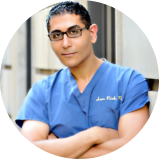
Dr. Sam S. Rizk, M.D., FACS.
Dr. Rizk is a double-board-certified facial plastic surgeon who specializes in rhinoplasty surgery and is a recognized expert on the latest advances in facial plastic surgery techniques. He performs a range of facial plastic surgeries at his New York practice.